
Retinoids for skin are some of the most effective ingredients in skincare. They come from vitamin A and help with acne, dark spots, rough texture, and signs of aging. Therefore, they are commonly found in many anti-aging and acne products.
What Are Retinoids for Skin?
Retinoids are vitamin A derivatives. They help the skin renew itself faster. As a result, dead skin cells are removed more easily, pores stay clearer, and the skin looks smoother.
Additionally, retinoids help support collagen production. Collagen keeps the skin firm and youthful. Because of this, retinoids are often used for fine lines, wrinkles, and uneven skin tone.
Benefits of Retinoids for Skin
1. They Help Reduce Fine Lines
Retinoids can boost collagen production. Therefore, they may help soften fine lines and improve skin firmness over time.
2. They Help Fade Dark Spots
Retinoids increase skin cell turnover. As a result, dark spots, acne marks, and sun damage may fade gradually.
3. They Help With Acne
Retinoids help prevent clogged pores. This is important because clogged pores can lead to breakouts. Additionally, they can help reduce future acne.
4. They Improve Skin Texture
If your skin feels rough or uneven, retinoids may help. Over time, they can make the skin look smoother and more refined.
5. They Brighten Dull Skin
Since retinoids help remove old skin cells, they can reveal fresher skin. Consequently, the skin may look brighter and healthier.
Types of Retinoids for Skin
Not all retinoids are the same. Some are gentle, while others are stronger. Therefore, the best option depends on your skin type and concern.
Retinoic Acid
Retinoic acid is the active form of vitamin A. The skin can use it directly. It helps improve fine lines, wrinkles, texture, and uneven skin tone.
Tretinoin
Tretinoin is a prescription retinoid. It is often used for acne and signs of aging. Because it is strong, it may work faster. However, it can also cause more irritation.
Retinol
Retinol is a common over-the-counter retinoid. It is gentler than prescription options. However, it can still help with fine lines, dark spots, and skin texture when used consistently.
Retinal or Retinaldehyde
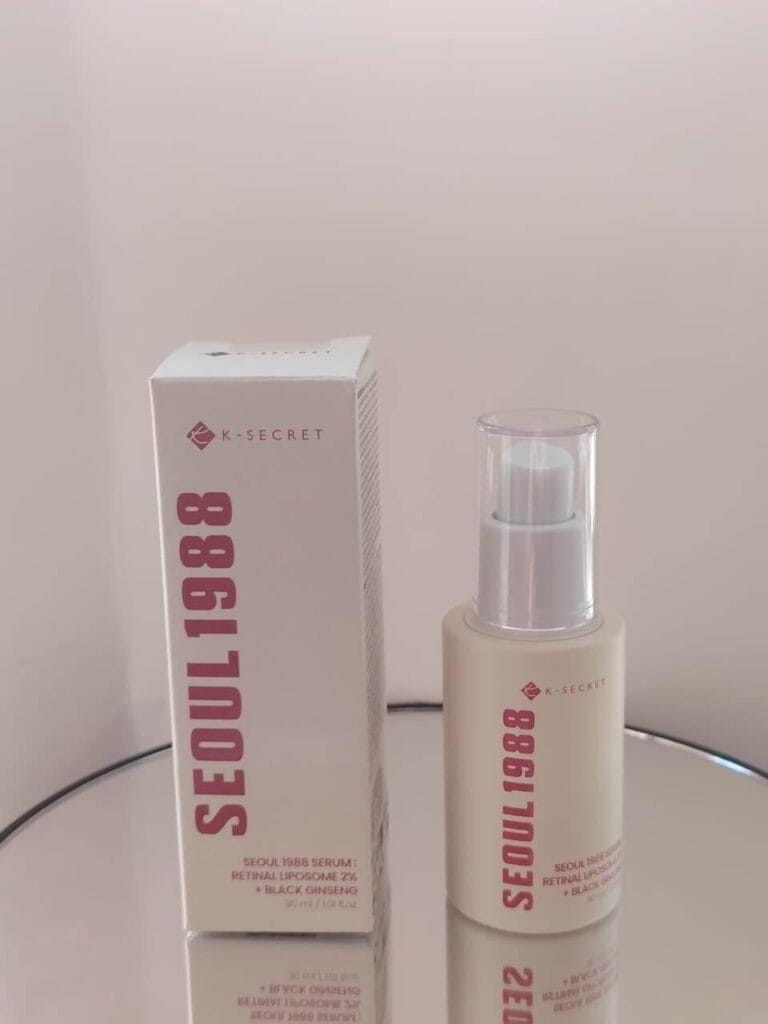
Retinal is stronger than retinol but usually gentler than prescription retinoids. Therefore, it is a good option for people who want faster results without jumping straight to very strong formulas.
Possible Side Effects of Retinoids for Skin
Retinoids are effective, but they can irritate the skin at first. This is normal for some people.
Common side effects include:
- Dryness
- Redness
- Peeling
- Flaking
- Itching
- Sensitivity
However, these side effects often reduce as the skin adjusts.
How to Use Retinoids for Skin
Start slowly, especially if you are a beginner.
First, cleanse your face. Then, allow your skin to dry completely. Next, apply a pea-sized amount of retinoid. Finally, follow with a moisturizer.
Use it one to two nights per week at first. After that, increase slowly if your skin tolerates it.
Important Tips When Using Retinoids
Use Retinoids at Night
Retinoids are best used at night. This is because sunlight can reduce their effectiveness.
Apply Sunscreen Every Morning
Retinoids can make the skin more sensitive to the sun. Therefore, sunscreen is very important. Use a broad-spectrum sunscreen with SPF 30 or higher every day.
Do Not Over-Exfoliate
Avoid using too many strong actives at once. For example, do not start retinoids and strong exfoliating acids at the same time. Instead, introduce products slowly.
Be Patient
Retinoids take time to work. In most cases, visible results appear after 8 to 12 weeks of consistent use.
Who Should Avoid Retinoids for Skin?
Retinoids are generally not recommended during pregnancy or breastfeeding. Also, if you are trying to conceive, speak to a healthcare professional before using them.
Frequently Asked Questions About Retinoids for Skin
Can beginners use retinoids?
Yes. However, beginners should start with a gentle retinol or retinal and use it only one to two nights per week.
Can retinoids help with acne?
Yes. Retinoids can help unclog pores and reduce breakouts. Therefore, they are commonly used in acne routines.
Can retinoids fade dark spots?
Yes. Since they increase skin renewal, they may help fade acne marks and hyperpigmentation over time.
Should I use retinoids every night?
Not at first. Start slowly, then increase usage as your skin adjusts.
Final Thoughts
Retinoids for skin can help with acne, dark spots, texture, fine lines, and dullness. However, they must be used correctly. Start slowly, moisturize well, and always wear sunscreen during the day. With patience and consistency, retinoids can make a big difference in your skincare routine. According to the Cleveland Clinic, retinoids are among the most effective ingredients for treating acne and signs of aging.