
You’ve been using brightening serums for weeks, maybe even months, but those stubborn dark spots are still there. 😭 If you’ve been wondering why dark spots are not fading despite spending money on skincare, you’re not alone.
And before you spend another KSh 3,000 on a serum someone recommended on TikTok, let’s talk about what could actually be going wrong with your routine.
Here are seven things I always want people struggling with dark spots to understand.
1. You’re Using Brightening Serums but Skipping Sunscreen
This is one of the biggest mistakes I see.
You can spend KSh 3,000 or even KSh 5,000 on a brightening serum, but if you’re not protecting your skin from the sun, you may struggle to see the results you’re hoping for.
Sun exposure can make pigmentation darker, especially when you’re already dealing with acne marks or melasma.
And no, having dark skin doesn’t mean you can skip sunscreen.
According to the American Academy of Dermatology, sun protection is an important part of managing dark spots. Without proper sun protection, pigmentation can become darker, even when you’re using brightening products.
What should you do?
Get yourself a good broad-spectrum sunscreen with SPF 30 or higher and use it every morning.
If you’re outdoors, remember to reapply it. For melasma, a tinted sunscreen with iron oxides can be particularly helpful.
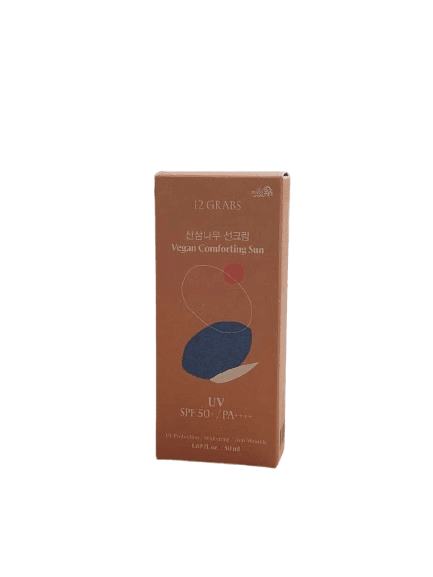
At Valentine Aura Luxe, we stock the 12 Grabs SPF50+ Sunscreen at KSh 2,700.
2. You’re Still Getting Pimples
Here’s something people don’t talk about enough.
You might be treating your dark spots, but if you’re still getting new pimples every other week, you’re likely going to keep getting new marks.
This is called post-inflammatory hyperpigmentation.
Basically, when your skin becomes inflamed, it can produce extra pigment as it heals.
So while your serum may be helping with older marks, new ones are appearing.
What should you do?
Don’t focus on dark spots alone. You also need to address what’s causing the breakouts.
For example, azelaic acid can be useful for people dealing with both mild acne and post-acne marks.
But if your acne is severe, painful or keeps coming back, it’s worth seeing a dermatologist.
3. You’re Using Too Many Products at Once
Be honest. How many serums are you currently using? 😂
Niacinamide in the morning, retinol at night, exfoliating toner three times a week, then another brightening serum because someone on TikTok recommended it.
Your skin doesn’t need all that.
Using too many strong products can irritate your skin. And irritation can actually make pigmentation worse.
What should you do?
Pick one treatment that addresses your main concern and give your skin time to adjust.
You don’t need five brightening serums to get results.
Sometimes a cleanser, one treatment, moisturizer and sunscreen are enough to get started.
4. Your Skin Barrier Is Already Struggling
Have you noticed that your face burns when you apply products? Or maybe your skin feels tight, dry or unusually sensitive?
That could be a sign that your skin barrier is irritated.
And if you’re still applying strong treatments every day, you might be making things worse.
What should you do?
Give your skin a break from irritating actives and focus on hydration and barrier support.
A gentle cleanser, a good moisturizer and sunscreen are a sensible starting point.
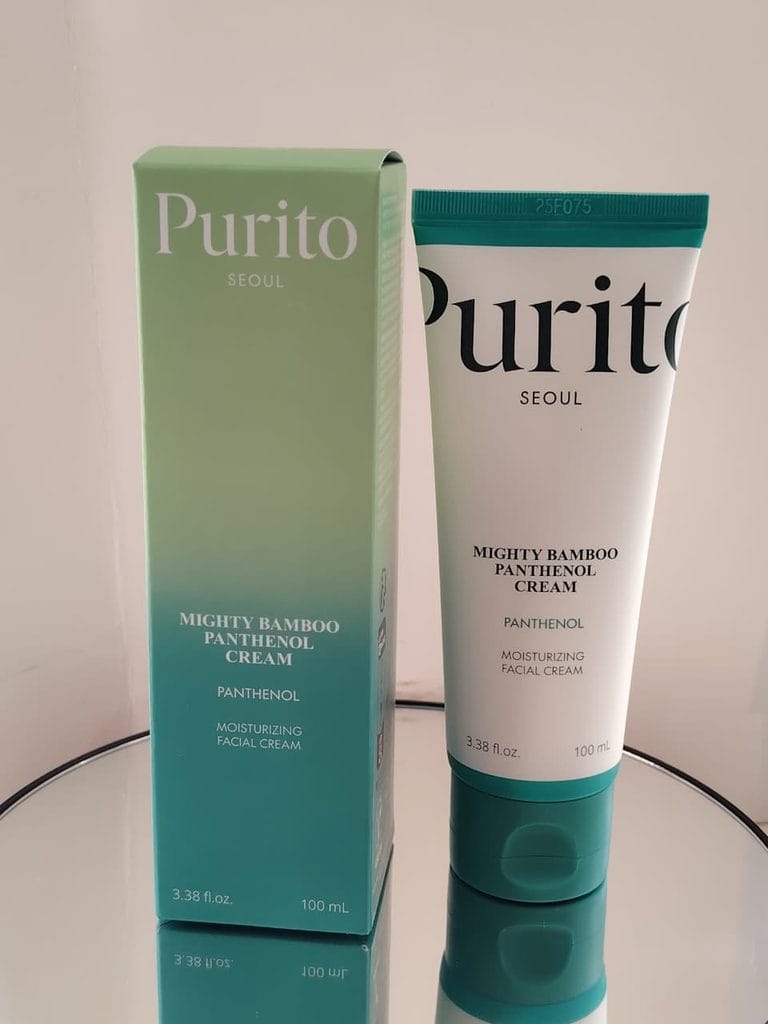
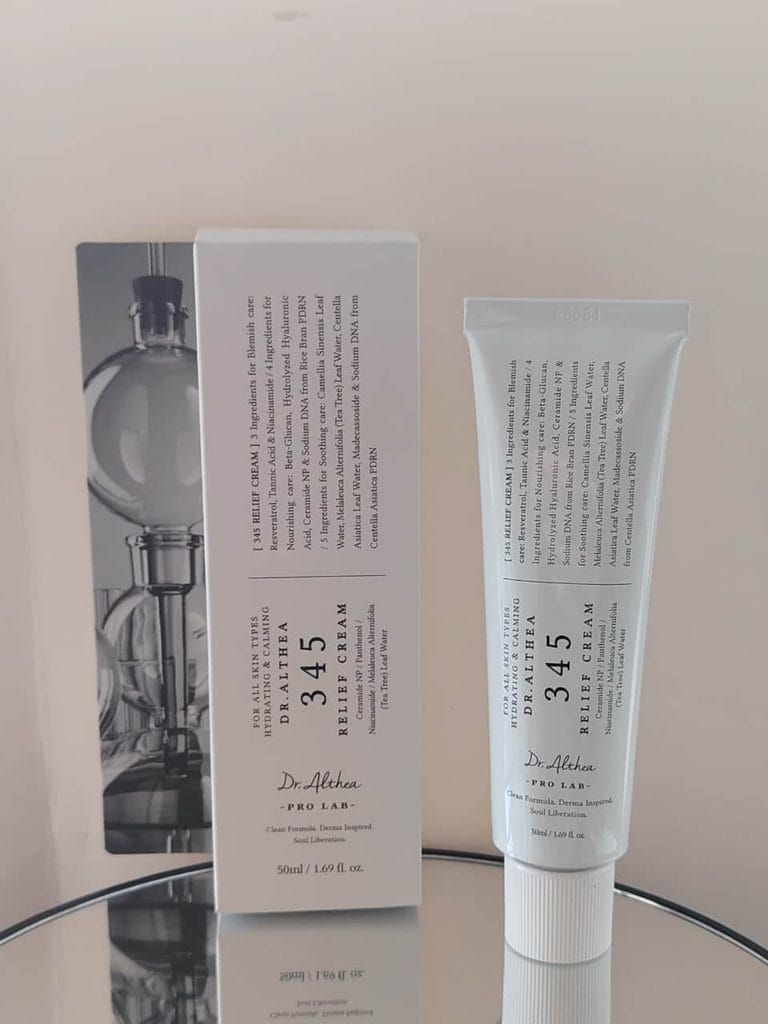
Depending on your skin type, you can consider moisturizers like Purito Mighty Bamboo or Dr. Althea 345 Relief Cream.
I’ve also written a guide on how to repair your skin barrier after using harsh products.
5. Why Dark Spots Are Not Fading When You Keep Changing Products
One reason why dark spots are not fading is that you keep switching treatments before giving them enough time to work.
You buy a serum, use it for two weeks, don’t see a difference and immediately start looking for something stronger.
Sound familiar? 😅
The truth is, dark spots take time to fade.
Some post-acne marks can take several months to improve, and deeper pigmentation may take much longer.
What should you do?
Stop changing products every two weeks.
If your routine suits your skin and isn’t causing irritation, give it time.
You can even take pictures every few weeks in similar lighting to see whether there’s progress.
And remember, stronger doesn’t always mean better.
6. You’re Using Products That Don’t Address Your Actual Concern
Not every product that promises glowing skin will fade dark spots.
For example, a hydrating serum can make your skin look healthier and more plump, but that doesn’t automatically make it a pigmentation treatment.
If your main concern is dark spots, look at the ingredients rather than just the product name.
Some ingredients worth knowing include:
- Azelaic acid: Helpful for mild acne and post-acne pigmentation.
- Niacinamide: Can support your skin barrier and improve the appearance of uneven skin tone.
- Tranexamic acid: Used in skincare products targeting hyperpigmentation.
- Alpha arbutin: Commonly used in brightening formulations.
- Retinoids: Can help with acne and certain pigmentation concerns, although they may irritate sensitive skin.
For example, we stock Anua Niacinamide 10% + TXA 4% Serum at KSh 3,400 and Anua Azelaic Acid 10% Serum at KSh 3,300.
But that doesn’t mean you need to buy both.
Your skin type, current routine and main concern should guide what you choose.
7. Why Dark Spots Are Not Fading: Could It Be Melasma?
Another reason why dark spots are not fading could be that you’re treating melasma as if it were ordinary acne marks.
This is another important one.
Not all pigmentation is the same.
Dark marks left behind by pimples are different from melasma, which often appears as larger patches on the cheeks, forehead or upper lip.
Melasma can be influenced by hormones and sun exposure, and it tends to be more stubborn.
So if you’ve been treating what you think are acne marks but nothing seems to change, you may need a proper skin assessment.
What should you do?
If your pigmentation is persistent, spreading or looks like symmetrical patches, consider seeing a dermatologist.
You may need a different treatment approach rather than another brightening serum.
So, What Should Your Skincare Routine Look Like?
If you’re struggling with dark spots, you don’t have to start with an expensive ten-step Korean skincare routine.
Let’s keep it simple.
Morning Routine
- Gentle cleanser
- One suitable brightening serum
- Moisturizer
- Broad-spectrum sunscreen SPF 30 or higher
Night Routine
- Gentle cleanser
- Your chosen treatment, according to the product directions
- Moisturizer
That’s a starting point, not a routine that will suit absolutely everyone.
If you’re using retinol, exfoliating acids or other strong actives, you may need to alternate treatment nights.
Frequently Asked Questions
Why are my dark spots not fading even after using a serum?
You could be skipping sunscreen, getting new breakouts, using irritating products or dealing with pigmentation that needs a different treatment approach.
Can niacinamide fade dark spots?
Niacinamide may help improve uneven skin tone with consistent use. However, results depend on the type of pigmentation and your overall routine.
Is azelaic acid good for dark spots?
Yes, azelaic acid can be helpful for post-acne marks, especially if you’re also dealing with mild acne.
How long does it take for dark spots to fade?
Some marks take several months to fade. Deeper pigmentation can take longer, even with appropriate skincare.
Should I use several brightening serums together?
Not necessarily. Combining multiple treatments can increase irritation, particularly if you’re also using retinol or exfoliating acids.
Final Thoughts
If you’ve been wondering why your dark spots are not fading, don’t rush to buy another serum just yet.
Look at your entire routine.
Are you using sunscreen? Are you still breaking out? Is your skin irritated? Are you giving your products enough time?
Sometimes fixing these things makes more sense than adding another product.
At Valentine Aura Luxe, we sell Korean skincare and our own skincare products, but we also believe in helping you choose what your skin actually needs.
Not every product is meant for everyone.
If you’re struggling with dark spots, acne marks or uneven skin tone, feel free to reach out. Tell us your skin type, what you’re currently using and your budget, and we’ll help you figure out a suitable routine.
Visit valentineauraluxe.com to explore our skincare collection.
This article is for general skincare education. Persistent or unusual pigmentation may need professional assessment.