
Introduction
Azelaic acid vs tranexamic acid is a common comparison when choosing skincare for dark spots, post-acne marks, and uneven skin tone. Both ingredients can help improve the appearance of hyperpigmentation. However, they work differently and may suit different skin concerns.
Azelaic acid is especially useful when dark spots appear alongside acne, clogged pores, or redness. Tranexamic acid, on the other hand, is mainly used in skincare products that target stubborn pigmentation and uneven skin tone.
So, which one should you choose?
In this guide, we compare azelaic acid vs tranexamic acid for dark spots, explain how each ingredient works, and help you decide which may be better for your skincare routine in Kenya.
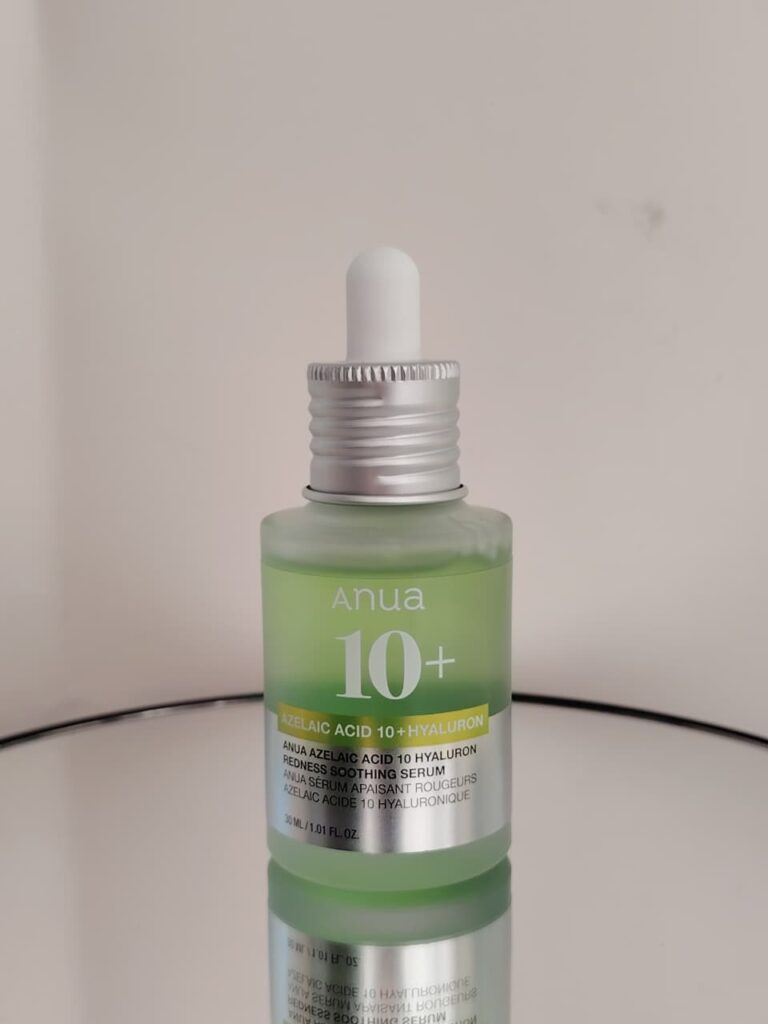
What Is Azelaic Acid?
Azelaic acid is an ingredient commonly used for acne, redness, and hyperpigmentation. It can help reduce clogged pores while also improving the appearance of marks left behind after breakouts.
Therefore, azelaic acid can be particularly useful if you have active acne and post-acne dark spots at the same time.
It is available in different strengths and formulations. As a result, how often you use it will depend on the individual product and how well your skin tolerates it.
Benefits of Azelaic Acid
Azelaic acid may help:
- Improve the appearance of post-acne marks.
- Reduce clogged pores.
- Support an acne-prone skincare routine.
- Improve uneven-looking skin tone.
- Calm the appearance of redness.
- Target both active breakouts and the marks they leave behind.
For more information about azelaic acid and its dermatological uses, see DermNet NZ’s information on azelaic acid.
What Is Tranexamic Acid?
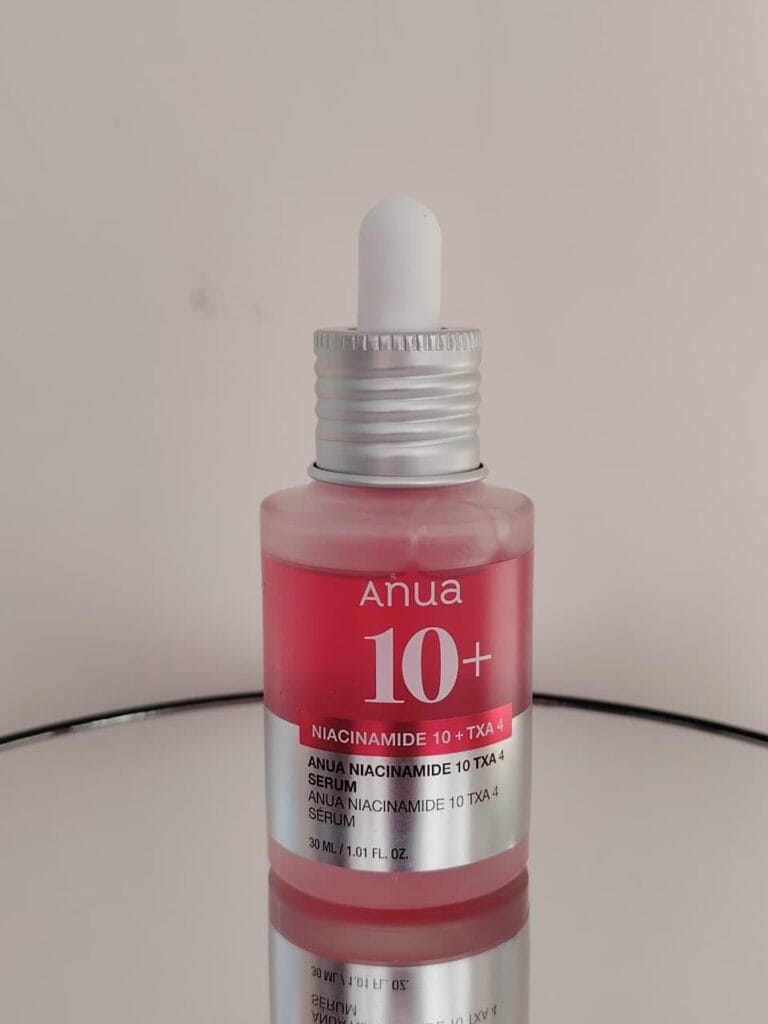
Tranexamic acid is another ingredient commonly found in skincare products designed for dark spots and uneven skin tone.
In topical skincare, it is primarily used to target the appearance of pigmentation. Therefore, you will often find it combined with other brightening ingredients such as niacinamide or alpha arbutin.
Tranexamic acid may be particularly useful when pigmentation is your main concern rather than active acne.
Benefits of Tranexamic Acid
Tranexamic acid may help:
- Improve the appearance of dark spots.
- Target post-acne pigmentation.
- Improve uneven-looking skin tone.
- Support routines for stubborn pigmentation.
- Complement ingredients such as niacinamide and alpha arbutin.
If you’re also considering alpha arbutin, read our Alpha Arbutin vs Tranexamic Acid for Dark Spots guide.
Azelaic Acid vs Tranexamic Acid: What Is the Difference?
Although both ingredients can be used for pigmentation, their strengths are slightly different.
| Feature | Azelaic Acid | Tranexamic Acid |
|---|---|---|
| Dark spots | Yes | Yes |
| Post-acne marks | Yes | Yes |
| Active acne | Particularly useful | Not primarily an acne treatment |
| Clogged pores | Can help | Not its main purpose |
| Uneven skin tone | Yes | Yes |
| Redness | Can be useful | Not its primary purpose |
| Stubborn pigmentation | Can help | Commonly targeted |
| Can be combined with other brightening ingredients | Yes | Yes |
Therefore, the better ingredient depends on what is causing your dark spots and what other skin concerns you have.
Azelaic Acid vs Tranexamic Acid for Acne Marks
If your dark spots developed after acne, both ingredients can be useful.
However, azelaic acid has an advantage when you are still experiencing breakouts. It can target acne while also helping improve the appearance of post-acne marks.
Tranexamic acid makes more sense when the breakouts have reduced and your main concern is the pigmentation left behind.
For example:
Active acne + dark spots: Azelaic acid may be the better starting point.
Mostly dark spots with little or no active acne: Tranexamic acid may be worth considering.
If you’re also deciding between azelaic acid and niacinamide, read our Niacinamide vs Azelaic Acid comparison.
Azelaic Acid vs Tranexamic Acid for Hyperpigmentation
Both ingredients can form part of a routine for hyperpigmentation.
However, hyperpigmentation has different causes. Acne, inflammation, sun exposure, hormonal changes, and other factors can all contribute to uneven pigmentation.
Therefore, skincare should not be approached as though every dark spot has the same cause.
Azelaic acid can be particularly helpful when pigmentation occurs alongside acne or redness. Meanwhile, tranexamic acid is frequently included in products specifically formulated to improve uneven pigmentation.
For a broader comparison of brightening ingredients, read our 8 Proven Skincare Ingredients That Actually Fade Dark Spots guide.
Azelaic Acid vs Tranexamic Acid for Melasma
Both azelaic acid and topical tranexamic acid have been studied in relation to melasma. However, melasma can be persistent and may require professional assessment and treatment.
In addition, sun exposure can make melasma more noticeable. Therefore, daily sun protection is an important part of a pigmentation-focused routine.
If you suspect that your pigmentation may be melasma rather than ordinary post-acne marks, consider speaking with a dermatologist for an appropriate treatment plan.
Can You Use Azelaic Acid and Tranexamic Acid Together?
Yes, azelaic acid and tranexamic acid can generally be included in the same skincare routine.
However, that does not mean you have to layer both products immediately.
If you are new to active ingredients or have sensitive skin, introduce one product first. Once your skin is comfortable, you can introduce the second product gradually.
Another simple option is to separate them.
Example Morning Routine
- Gentle cleanser
- Tranexamic acid serum
- Moisturizer
- Broad-spectrum sunscreen
Example Evening Routine
- Gentle cleanser
- Azelaic acid
- Moisturizer
This keeps the routine simple while allowing you to use both ingredients.
Which Goes First: Azelaic Acid or Tranexamic Acid?
If you use both ingredients in the same routine, the order will depend partly on the formulation of your products.
Generally, lighter serums are applied before thicker creams.
For example, if your tranexamic acid product is a lightweight serum and your azelaic acid is a thicker cream, you would normally apply the tranexamic acid serum first.
However, always follow the directions provided with the individual products.
You also do not need to layer them in the same routine. Using one in the morning and the other at night can make your routine simpler.
Can You Use Azelaic Acid and Tranexamic Acid Every Day?
This depends on the strength and formulation of the products as well as your skin tolerance.
Some products containing these ingredients are designed for daily use. However, introducing new actives gradually is a sensible approach, especially if your skin is sensitive.
For example, you could start with your new treatment a few times per week and increase the frequency if your skin tolerates it.
If you experience persistent burning, excessive peeling, or irritation, reduce the frequency and simplify your routine.
What Should You Not Mix With Azelaic Acid or Tranexamic Acid?
There are not many absolute rules about ingredients that can never be used with azelaic acid or tranexamic acid.
The bigger concern is using too many potentially irritating products at once.
For example, combining azelaic acid with retinol, salicylic acid, glycolic acid, and other treatments in one routine may be unnecessarily irritating for some people.
Instead, introduce products gradually and alternate stronger actives when necessary.
If you’re unsure about combining your products, read our How to Layer Skincare Actives Correctly in Kenya guide.
Azelaic Acid vs Tranexamic Acid for Sensitive Skin
Both ingredients may be suitable for some people with sensitive skin. However, product formulation and concentration matter.
If your skin is already irritated, burning, peeling, or unusually sensitive, adding another active ingredient may not be the best first step.
Instead, focus on:
- A gentle cleanser.
- A suitable moisturizer.
- Daily sunscreen.
Once your skin feels comfortable again, you can introduce a targeted treatment gradually.
Patch testing a new product can also help you see how your skin responds before using it more widely.
How to Choose Between Azelaic Acid vs Tranexamic Acid
The easiest way to choose is to look at your main skin concern.
Choose Azelaic Acid If:
- You have active acne and dark spots.
- Your pores clog easily.
- You experience post-acne marks.
- Redness is also a concern.
- You want one ingredient that can address acne and pigmentation.
Consider Tranexamic Acid If:
- Dark spots are your main concern.
- Your acne is already under control.
- You have uneven-looking skin tone.
- You want a targeted brightening ingredient.
- You already use other supportive ingredients such as niacinamide.
You do not necessarily have to choose only one. Depending on your skin and existing routine, both ingredients can be incorporated gradually.
Azelaic Acid vs Tranexamic Acid: Which Is Better?
Neither ingredient is automatically better for everyone.
Azelaic acid may be the better choice if you have active acne together with post-acne dark spots. This is because it can address both concerns.
Tranexamic acid may be the better choice when stubborn pigmentation and uneven skin tone are your main concerns, especially when active acne is no longer the priority.
Your skin type, sensitivity, current products, and the cause of your pigmentation should all influence your choice.
Why Sunscreen Matters When Treating Dark Spots
No dark-spot routine is complete without sunscreen.
UV exposure can make pigmentation appear darker and make it harder to maintain improvements. Therefore, use a broad-spectrum sunscreen consistently, particularly when treating hyperpigmentation.
The American Academy of Dermatology recommends choosing a broad-spectrum, water-resistant sunscreen with SPF 30 or higher.
Frequently Asked Questions
Is Azelaic Acid or Tranexamic Acid Better for Acne Marks?
Both can help improve the appearance of post-acne pigmentation. However, azelaic acid may be more useful when you still have active acne alongside the marks.
Can I Use Azelaic Acid and Tranexamic Acid Together?
Yes. They can generally be included in the same skincare routine. Beginners can use them at different times of the day or introduce them one at a time.
Can I Use Tranexamic Acid in the Morning and Azelaic Acid at Night?
Yes. This is a simple way to incorporate both ingredients without layering several treatments at once. Remember to use sunscreen during the day.
How Long Does It Take for Dark Spots to Fade?
Dark spots usually require consistent care, and results vary depending on their cause, depth, your routine, and sun exposure. Avoid expecting overnight results from either ingredient.
Do I Still Need Sunscreen When Using Tranexamic Acid?
Yes. Sunscreen remains important when your goal is to improve hyperpigmentation, regardless of which brightening ingredient you use.
Final Thoughts
When comparing azelaic acid vs tranexamic acid, the right choice depends on what your skin actually needs.
If you are dealing with active breakouts and the dark spots they leave behind, azelaic acid may be a practical starting point. On the other hand, if acne is already under control and stubborn pigmentation is your main concern, tranexamic acid may fit your routine better.
You can also use both ingredients as part of the same overall routine if your skin tolerates them.
Most importantly, avoid adding several active ingredients at once. Keep your cleanser, moisturizer, and sunscreen consistent, then introduce targeted treatments gradually.
Need Help Choosing Between Azelaic Acid and Tranexamic Acid?
At Valentine Aura Luxe, we help customers in Kenya choose skincare products based on their skin type, current routine, budget, and main skin concerns.
If you’re unsure whether azelaic acid, tranexamic acid, or another dark-spot ingredient would suit your routine, message Valentine Aura Luxe on WhatsApp for help choosing your products.